
The Conflict Between Urgency and Definition
Getting Things DoneThe book follows recurring tension between visible emergencies and the less obvious work of processing and defining commitments.
increasing Bearing strength in each event
 decreasing
Bearing strength in each eventdecreasingUrgency Dominates Attention

The Immediate Demand Wins
Visible Pressure
People are often drawn toward urgent, ad hoc demands because they announce themselves clearly. New requests, crises, and interruptions can seem more compelling than the less visible effort of defining existing work.
The work that appears in the moment may legitimately deserve attention.
A Default Priority
When a person responds automatically to whatever is loudest, the choice is made by default. Other commitments are displaced without being consciously examined or renegotiated.
The conflict is not simply between important and unimportant work, but between deliberate choice and reactive drift.
Unprocessed Work Accumulates
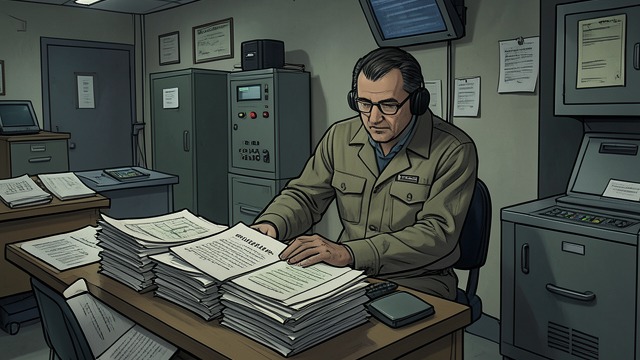
The Backlog Behind the Crisis
Inputs Remain Undefined
Messages and papers that are not processed stay in the incoming area as mixed reminders. Their actions, reference value, and urgency remain unclear.
The pile can be avoided because it asks for thinking rather than offering one obvious task.
Emergencies Grow from Neglect
Some unresolved items later surface as urgent problems. The work then joins the stream of ad hoc demands and increases the pressure on an already reactive day.
Failure to define work early can create the very crises that seem to justify avoiding definition.
The Three Kinds of Work
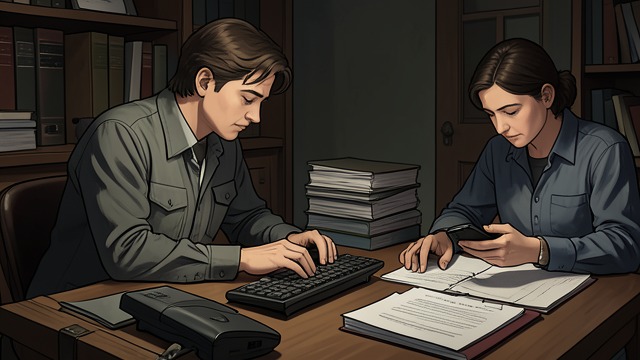
Distinguishing Work Modes
Predefined and Emergent
A person may act on previously defined next steps, respond to work as it appears, or define incoming work by processing it. These are different activities, and a day usually contains all three.
The distinction makes the pattern of attention easier to examine.
No Single Mode Is Enough
Only doing predefined tasks ignores necessary surprises; only responding to surprises leaves planned commitments unattended; only processing input can prevent delivery. Balance requires knowing which mode is being chosen.
The framework turns a confused day into a set of recognizable tradeoffs.
Renegotiation Replaces Guilt

Making the Tradeoff Conscious
Seeing What Is Not Done
Choosing an unexpected request over a planned task can be reasonable. The trouble arises when the displaced work disappears from conscious review or is treated as if it had never been committed to.
A current system shows what has been set aside.
Reassessing the Agreement
Regular review lets the person decide whether the delayed action remains necessary, should be rescheduled, or should be dropped. This makes flexibility compatible with accountability.
Renegotiation transforms disruption from an automatic failure into a conscious adjustment.
Surprise Becomes an Opportunity

Responding Without Losing Control
Flexible Attention
When the known inventory is current, a surprise can be handled without the persistent fear that everything else is being forgotten. The person can shift attention and later return to the defined system.
Unexpected work remains part of professional life rather than a defect in the plan.
A More Capable Response
The person can choose ad hoc work because it is truly the right action, not because it is easier than facing an undefined backlog. Responsiveness becomes a strength when joined to clear review.
The conflict between urgency and definition becomes a manageable balance.
As the modern work problem is introduced
After repeated days of reactive work
When the daily-work framework is introduced
When planned work is displaced
As a more balanced practice develops
